Successfully moving goods into Malaysia depends on correct shipping documents. Clear paperwork helps speed customs clearance and prevents costly delays. This guide explains the must-have shipping documents, how they help, and steps to fix issues.
Accurate records protect your business interests. Every commercial invoice and related document should be complete and easy to verify. Good documentation saves time, keeps costs down, and keeps your shipment on schedule.
We cover what details matter for customs, the key documents to prepare, and practical steps to stay compliant in the country. Follow these tips to reduce hold-ups and keep your shipping process smooth.
Key Takeaways
- Prepare complete shipping documents to speed customs clearance.
- Accurate invoices and records protect your business from fines.
- Knowing specific requirements avoids delays for each shipment.
- Keep copies of all documents for faster issue resolution.
- Follow simple steps to maintain compliance and control costs.
Why Accurate Shipping Documentation Matters
Clear, accurate paperwork keeps shipments moving through customs with fewer stops and questions.
Facilitating customs clearance
Faster checks, fewer surprises
Proper shipping documents let customs authorities verify the product, quantities, and value quickly. When authorities find complete information, the clearance process is faster and inspections are less likely.
That speed protects your supply chain timeline. It reduces the chance of extra duties or taxes being applied by mistake.
Records that reduce risk
Accurate declarations safeguard both parties by showing clear details about each shipment. Complete information helps prevent penalties, overpayment of taxes, or seizure by customs authorities.
Keeping detailed records builds trust between buyer and exporter and helps confirm compliance with trade agreements and local regulations. That trust saves time and money for your business and ensures goods reach their destination on schedule.
- Faster clearance reduces storage costs.
- Correct duties and taxes avoid overpayment.
- Clear records make audits and disputes easier to resolve.
| Benefit | How it helps | Who benefits |
|---|---|---|
| Faster verification | Authorities confirm shipment facts quickly | Exporter, importer |
| Lower financial risk | Correct duties and taxes prevent overcharges | Business and parties involved |
| Supply chain reliability | Goods reach destination on time, fewer disruptions | Logistics teams, customers |
| Regulatory compliance | Meets tariffs, trade agreements, and safety rules | Customs authorities, exporter |
Essential Export Documentation Malaysia: Commercial Invoice, Packing List, BL and COO
Start by collecting the key records that show what is being shipped, who sold it, and where it was made. These items let customs authorities confirm product facts and calculate taxes fast.
Commercial invoice and packing list
The commercial invoice lists product descriptions, quantities, prices, terms of sale, seller and buyer details. Customs use this invoice to assess duties and taxes.
The packing list breaks down shipment contents, packaging types, weight, and dimensions. It helps officials verify goods during inspections.
Bill of Lading and air waybill
The Bill of Lading serves as a receipt and contract for sea freight. It is essential for claiming goods at the destination.
The air waybill provides proof of transport for air cargo and tracks the shipment through the airline system.
Certificate of origin
The certificate confirms the country where the goods were produced. Preferential certificates come from the Ministry of International Trade and Industry, while non-preferential types may be issued by trade associations or chambers.
“Ensure every detail on your invoice matches other documents to avoid delays in customs clearance.”
- Tip: Cross-check names, weights, and product codes on all documents.
- Keep copies to speed up any import queries or audits.
| Document | Main role | Who issues |
|---|---|---|
| Invoice | Value, taxes | Seller / exporter |
| Packing list | Contents verification | Shipper / company |
| BL / AWB | Transport proof | Carrier |
| Certificate | Origin for tariffs | MITI / FMM / chambers |
Understanding Regulatory Permits and Licenses
Before your shipment moves, confirm whether your product needs a special permit or license.
An import permit is an official document that allows restricted goods—such as food or pharmaceuticals—into the country. You must apply to the Ministry of International Trade and Industry to get required approval before shipping goods.
Align the invoice and other shipping documents with the permit terms. That match speeds customs checks and shows regulators your shipment meets safety rules.
Failing to secure the correct license can cause big delays and penalties when goods arrive. Always verify permit needs early to avoid last-minute holds.
“Maintaining clear permits and records is essential for smooth customs clearance and a strong business reputation.”
Keep precise records of all permits and licenses. Accurate files help resolve queries fast and prove compliance during audits.
| Permit type | Main requirement | When to apply |
|---|---|---|
| Food safety permit | Health standards & testing | Before shipment booking |
| Pharma license | Product registration & approvals | Prior to shipment |
| Special controlled goods | Import controls and certificates | At least weeks before shipping |
Financial Documents for Secure Trade
Financial documents protect payments and reduce risk for both buyer and seller during cross-border trade. They link payment to proof that the goods and related information meet agreed terms before funds change hands.
Letters of Credit and Payment Terms
A Letter of Credit (L/C) is a bank-issued guarantee that the seller will be paid once the required documents and details are presented. Apply for an L/C early so the bank can check conditions before the shipment leaves.
Payment terms define when payment happens — advance, on delivery, or after acceptance. Clear terms on the invoice and contract help both parties plan cash flow and avoid disputes over duties or taxes.
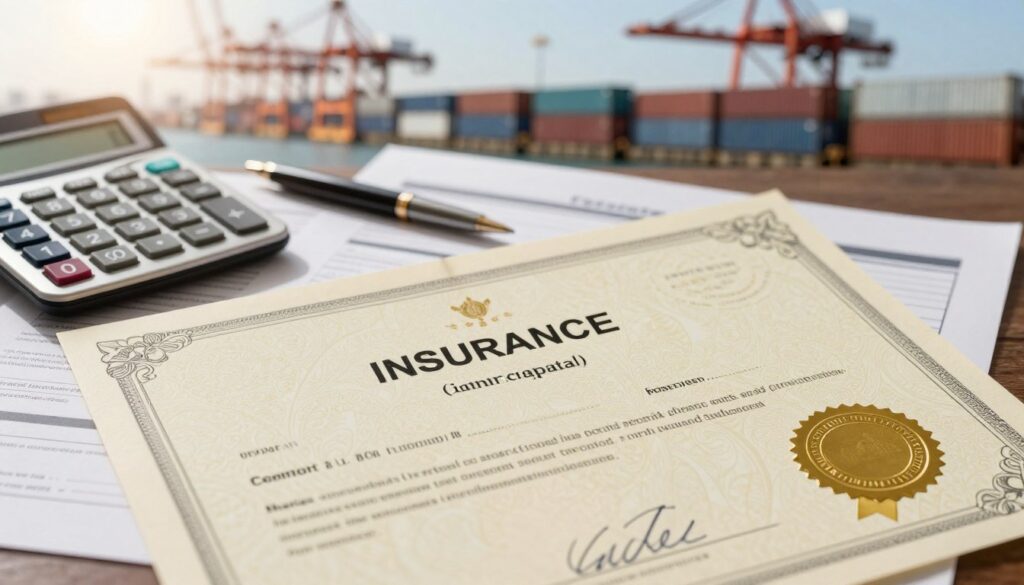
An insurance certificate acts as proof of coverage for loss, theft, or damage during shipping. Keep a copy with the invoice and transport document so customs and carriers can confirm protection quickly.
“Documented payment and insurance build trust and keep trade moving smoothly.”
| Document | Purpose | When to secure |
|---|---|---|
| Letter of Credit | Payment guarantee | Before booking shipment |
| Payment terms on invoice | Sets payment timing | At contract signing |
| Insurance certificate | Proof of coverage | Before goods depart |
Practical Steps for Managing Import Shipments
Create a clear plan before goods arrive. Choose the best method—sea, air, or land—based on size, cost, and delivery time. Prepare the commercial invoice early so no last-minute delays occur.
Have Solid Xpress file the K1 form through the uCustoms system to start customs clearance. For duty exemptions or temporary imports, your freight forwarder will submit the K8 form.
Track the shipping progress using your forwarder’s updates. This lets you ready the consignee and company teams for arrival and clearance.
When the shipment clears and duties are paid, arrange delivery to the final destination quickly. Always verify the goods match the delivery order and inspect contents for any damage.
- Prepare documents early: commercial invoice, insurance proof, and transport papers.
- Coordinate services: trusted shipper and logistics partner speed movement.
- Monitor progress: tracking gives time to solve customs issues before arrival.
“Early preparation and clear communication reduce delays and protect your supply chain.”
Troubleshooting Common Documentation Issues
A quick, focused review of the notice from customs helps you spot where shipment records went off track.

Identifying Errors Promptly
When customs flags a file, read the message carefully to find the exact error. Look for mismatched values, wrong harmonized system codes, or missing details on the commercial invoice.
Also check the air waybill, any certificate, and packing records used to describe shipment contents. Small mistakes cause big holds with customs authorities.
Submitting Revised Documents
Correct the affected document fully, then re-submit without delay. Your freight forwarder or a specialist like Solid Xpress can speak with customs authorities to explain changes and speed clearance.
Keep a simple checklist for each shipment to verify key fields: seller and buyer names, product codes, weights, values, insurance proof, and consignee details.
“Fast fixes and clear communication reduce delays and protect your business from extra duties or penalties.”
- Review notifications immediately.
- Fix errors in the commercial invoice and other documents.
- Use your shipper or forwarder to liaise with customs for quicker resolution.
Best Practices for Working with Freight Forwarders
A trusted freight forwarder turns complex clearance steps into a reliable workflow for your shipments. Partner with a forwarder who knows local rules and offers clear timelines.
Provide accurate paperwork early. Solid Xpress and similar forwarders need complete records to deliver efficient shipping services and smooth clearance. Timely submission cuts processing time and lowers the risk of penalties.
Share full shipment details with your forwarder, including product descriptions, weights, and any special permits. This helps confirm that permits and certificates are ready before your goods leave origin.
- Confirm contact points: a single person at your company keeps communication fast.
- Use the forwarder’s checklist: follow it to avoid missing items for air or sea shipments.
- Ask about customs support: expert forwarders guide paperwork corrections and speed clearance.
“A reputable forwarder lets you focus on growth while they manage logistics and compliance.”
Conclusion
,Well-prepared papers help buyer seller meet customs requirements without surprises. Clear commercial invoice entries and matching documents reduce holds and speed customs clearance for every shipment.
Keep key details and accurate information for the goods, contents, value, and destination. Good records help authorities verify import terms, insurance, and trade regulations fast.
Partner with a trusted logistics provider like Solid Xpress to simplify shipping tasks. Let experts handle the complex steps so your business can focus on growth while compliance and clearance proceed on schedule.
FAQ
What key documents do I need when preparing export documentation Malaysia?
You typically need a commercial invoice, packing list, bill of lading or air waybill, and a certificate of origin. Additional permits or licenses may be required depending on the product, such as health certificates for food or phytosanitary certificates for plants.
How does accurate shipping documentation help with customs clearance?
Clear and complete paperwork speeds up customs checks, reduces the chance of inspections, and prevents delays. Authorities rely on shipment details—product descriptions, HS codes, value, and origin—to assess duties and allow release.
What information must the commercial invoice and packing list include?
The invoice should show seller and buyer details, item descriptions, unit values, total value, INCOTERMS, and payment terms. The packing list lists package counts, weights, dimensions, and contents by carton to help handlers and customs verify the cargo.
When should I use a bill of lading versus an air waybill?
Use a bill of lading for ocean shipments; it can act as title to goods when negotiable. Use an air waybill for air freight; it serves as a contract and receipt but is usually non-negotiable. Choose based on mode, transit time, and financing needs.
Why is a certificate of origin important for international shipments?
The certificate of origin proves where goods were produced. It can qualify shipments for preferential tariff rates under trade agreements and is often required by customs to determine correct duties and controls.
What regulatory permits or licenses might be needed?
Licenses depend on the product and destination. Examples include export permits for controlled goods, import permits for chemicals, and conformity certificates for electronics. Check destination rules and trade agreements before shipping.
How do letters of credit protect sellers and buyers?
A letter of credit issued by a bank guarantees payment if the seller meets documentary conditions. It reduces buyer risk by ensuring goods ship before funds release and protects sellers by providing bank-backed payment assurance.
What practical steps should I follow when managing import shipments?
Confirm product classification and duties, prepare accurate paperwork, choose the right INCOTERM, appoint a customs broker or freight forwarder, and track the shipment to coordinate delivery and payment smoothly.
How can I identify common documentation errors quickly?
Regularly cross-check invoices against packing lists, verify HS codes and values, confirm names and addresses for shipper and consignee, and ensure consistent descriptions across all documents to catch mismatches early.
What is the process for submitting revised documents if an error is found?
Notify your freight forwarder and customs broker immediately. Prepare corrected documents, provide a written explanation if needed, and follow the customs authority’s amendment procedures to avoid penalties or release delays.
How should I work with a freight forwarder to ensure smooth export handling?
Share complete and accurate shipment details early, agree on responsibilities and INCOTERMS, request tracking and status updates, and confirm required documents and timelines so the forwarder can coordinate customs clearance and delivery.
What penalties or issues can arise from incomplete paperwork?
Incomplete or inaccurate documents can lead to shipment holds, fines, increased duties, cargo inspections, or rejection by customs. That can add storage charges and damage business relationships or cash flow.
Are there digital tools that simplify preparing and submitting documents?
Yes—many logistics platforms and customs portals allow electronic filing of invoices, origin certificates, and permits. Using them improves accuracy, speeds clearance, and provides audit trails for compliance and insurance purposes.
How do trade agreements affect duties and required documents?
Trade agreements can reduce or eliminate tariffs if origin criteria are met. To claim benefits, you must supply correct origin documentation and comply with rules of origin, proving the product qualifies under the agreement.