
This short guide explains how the country’s territorial system treats income earned inside its borders and what that means for people who live or work here.
Understanding your status is the first step. If you earn income in the country, you must know how the tax year affects reporting and planning.
We outline practical steps to identify eligible reliefs and reduce your overall burden while staying compliant. This guide shows common pitfalls and offers clear actions expatriates can take to manage income effectively.
By the end, you will have a clearer view of obligations and possible savings, so you can make smarter financial choices while living here.
Key Takeaways
- Malaysia uses a territorial system: local income is taxable.
- Know your residency and reporting obligations early.
- Specific reliefs can lower your payable amount.
- The tax year timing matters for planning income.
- This guide gives practical steps for compliance and savings.
Understanding the Malaysian Tax System for Foreigners
Understanding how local rules tax earnings in-country helps expatriates plan smarter. The Malaysian tax system follows a territorial principle: income sourced inside the country is generally liable for local charges during the tax period.
Non-residents who stay less than 182 days face a flat 30% rate on income earned here. Resident individuals pay progressive income tax rates from 0% up to 30%, based on total income for the year.
The role of employers is important. They manage monthly deductions to meet reporting requirements and help employees meet withholding rules. Companies must file accurate returns so their business income and employee payments match the declared figures.
- Know whether your work counts as employment or freelance business; obligations vary.
- Understand what counts as taxable income and which deductions you can claim.
- Plan early for the annual filing period to avoid penalties and manage liabilities.
Determining Your Tax Residency Status
Start by checking how many days you spent in the country during the current calendar year.
An individual becomes a tax resident if they spend 183 days or more in a calendar year. That status shifts how income is taxed for the whole year.
If you spend between 60 and 182 days, you are treated as a non-resident and face a flat 30% rate on income without access to deductions.
The 182 Day Rule
Track your days carefully. The 182 days rule is the key benchmark. Keep records of entry and exit dates to prove presence.
Tax Treaty Benefits
Double tax treaties with over 70 countries help prevent the same income being taxed twice. Check treaty terms to see which income types are covered.
| Status | Days in Calendar Year | Rate / Benefit |
|---|---|---|
| Resident individuals | 183+ days | Progressive rates; access to deductions |
| Non-resident | 60–182 days | Flat 30% on income; no deductions |
| Short visits | Fewer than 60 days | Generally not resident; check specific rules |
- Determining residency is the first step to estimate your liability for the year.
- Good records of days calendar can protect you in an audit.
Identifying Taxable Income Sources
Start by listing every income stream you receive during the fiscal year. A short, clear inventory makes it easier to spot what must be reported and what is exempt.

Taxable income covers many items: employment pay, business profits, dividends, interest, rental receipts, royalties and perquisites.
Benefits-in-kind from an employer, such as housing or a company car, are often treated as part of your income. Revenue from consultancy, trade, or services performed in the country is fully subject to income tax for individuals and companies.
- Salary, bonuses and perquisites count toward taxable income.
- Business and self-employment profits must be declared each year.
- Rental income from local property is taxable and filed under progressive rates.
- Company benefits like tuition or credit cards can be taxable and need reporting.
Note: Foreign-sourced income is currently exempt for residents until 2026. Still, keep records of assets and all income streams so you remain compliant throughout the tax period.
How to Claim Foreigner Tax Relief Malaysia
Claiming available allowances starts with knowing which deductions apply to your situation and collecting proof. Keep receipts and notes of payments so you can support each claim when you file the annual form.
Personal Reliefs
Resident individuals can claim the RM9,000 basic personal relief. You may also claim RM4,000 for EPF contributions to reduce your taxable income.
Parents can claim RM2,000 per child who is under 18. These amounts lower the income tax you pay each year.
Medical and Insurance Deductions
Medical expenses for serious diseases and approved insurance premiums are deductible when they meet set requirements. Keep doctor letters, invoices, and policy receipts to prove eligibility.
Education and Lifestyle Expenses
Certain education and lifestyle items—like internet, books, and sports equipment—qualify up to government limits. Coordinate with HR so employees see the correct deductions reflected in monthly payroll.
Final tip: Read the filing requirements carefully and submit the correct documents with your tax form to avoid delays.
Navigating Employment Benefits and Allowances
Understanding which parts of your salary are counted as income helps prevent surprises at filing time.
The Potongan Cukai Berjadual (PCB) is a mandatory monthly deduction system. It calculates monthly tax based on your pay and resident status. This system prevents one large payment at the end of the year.
Many employment packages include allowances and perks. Some relocation costs or expatriate perks may be excluded from taxable income if they meet strict conditions. Benefits-in-kind such as housing or a company car are usually treated as income and must be reported.
Employers must value and declare benefits accurately to the Inland Revenue Board. That duty helps employees when they file and keeps companies compliant with local taxation rules.
- Housing and vehicle perks often form part of taxable income and affect annual liabilities.
- PCB spreads deductions across the period to ease cash flow.
- Review your contract to see which allowances qualify as exempt and which count as deductions.
Tip: Talk to payroll or HR early. Clear records of benefits will reduce mistakes and help you plan finances through the year.
Managing Capital Gains and Investment Taxes
Investment disposals and property sales can change your reporting duties and your annual liability. Understanding when gains become taxable helps you plan ahead.
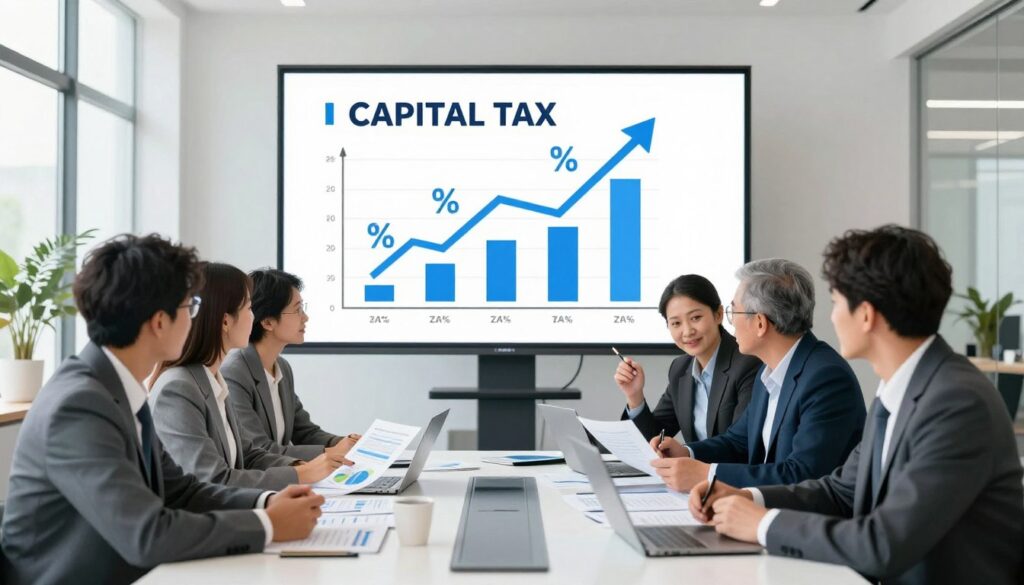
Real Property Gains Tax (RPGT) applies to sales of local property and depends on the holding period. Rates are higher for short holding periods and taper for longer ownership. Track acquisition dates and sale proceeds carefully to calculate gains accurately.
Capital gains tax took effect on January 1, 2024 for companies, LLPs and trust bodies disposing of capital assets. Disposals of shares, unlisted holdings and other capital items now carry specific reporting requirements under the new regime.
Gains from foreign assets are taxable only when proceeds enter the country. That means remittance timing can trigger a charge on income derived abroad. Keep clear records of transfers and receipts.
- Keep acquisition and disposal documents for every asset.
- Note the holding period to estimate RPGT exposure.
- Ensure companies follow new reporting steps for capital disposals.
- Consult an adviser for complex portfolios to avoid penalties.
Essential Filing Requirements and Deadlines
Start the year with a simple checklist to meet all filing requirements for income earned here.
The tax year runs from January 1 to December 31. Annual income tax returns are due by April 30 of the following year. Meeting this deadline is a core requirement for residents and expatriates working locally.
Your employer must issue the EA form by the end of February. That document shows total remuneration for the calendar year and helps you complete the correct form.
Residents file Form BE; non-residents use Form M. Obtain a tax file number from the Inland Revenue Board — employers often help arrange this on arrival.
Use the e-Filing system to submit tax returns and track payment status online. Keep payslips, investment records, and EA forms. Accurate documentation reduces audit risk and speeds processing.
- File returns by April 30 to avoid penalties.
- Late submission can add a 10% increment on payable amounts.
Final note: Follow these steps each calendar year to stay compliant with malaysian tax requirements and protect your financial standing.
Avoiding Common Tax Compliance Mistakes
Clear records and timely filings are the easiest ways to avoid audits and fines.
Declare all employer-provided benefits. Many expatriates forget that housing, cars, or allowances count as taxable income. Ask payroll for a full breakdown so your annual income tax return is accurate.
Missed deadlines carry heavy penalties. Filing late can add significant charges to unpaid amounts and create problems for the rest of the year.
Keep documentation for every deduction and payment period. Poor records make audits harder and can trigger larger assessments for businesses and individuals.
Use the voluntary disclosure program if you discover past errors. It lets you correct past returns and often reduces penalties during an audit.
Before leaving permanently, secure a tax clearance letter from the authorities. This confirms your accounts are settled and prevents issues when you move assets or close accounts.
- Review employment statements each year to confirm benefits are reported.
- Retain receipts and contracts to support deductions and claims.
- Consult a local adviser if you manage complex assets or cross-border income.
Conclusion
Clear records and timely action, help you manage income across the calendar year. Keep payslips, receipts, and contract dates so you can meet filing deadlines and avoid penalties.
This guide has shown how residency, employment status, and different income streams affect your obligations. Resident individuals can use available reliefs and deductions to lower liability. Whether you run a business or work for an employer, accurate records protect your position when you file returns.
Plan ahead, follow the system, and consult a professional for complex portfolios. Small steps now make the rest of the year easier and help you enjoy living and working here.
FAQ
Can foreigners enjoy tax relief in Malaysia?
Non-citizen residents may qualify for certain deductions and allowances if they meet residency rules and have income subject to local taxation. Eligibility depends on factors such as length of stay, source of income, and whether any bilateral agreements apply. Consulting a local accountant helps identify available deductions and filing obligations.
How does the Malaysian tax system treat non-resident individuals?
Residents are taxed on worldwide income while non-residents typically pay tax only on income sourced in the country. Non-resident rates and withholding obligations differ from resident rates. Understanding residency status and source rules is essential to determine liability and filing needs.
What determines tax residency status?
Residency depends mainly on the number of days present in a calendar year, with a common benchmark being 182 days. Other tests include continuous stay over consecutive years and having a permanent home locally. Each test affects whether someone is taxed as a resident or non-resident.
What is the 182 day rule?
If you are physically present for 182 days or more in a year, you generally qualify as a tax resident. Shorter stays may be assessed under alternative criteria like consecutive years’ presence. Keep accurate travel records to support your residency position.
Can tax treaties reduce my liability?
Yes. Double taxation agreements can provide relief by allocating taxing rights between countries and offering credits or exemptions. Review the specific treaty provisions between your home jurisdiction and Malaysia to see if benefits apply.
What income sources are taxable?
Employment wages, business profits earned locally, rental income from local property, and certain investment returns are commonly taxable. Foreign-source income may be taxed if you are a resident. Distinguish between source-based and residence-based rules when planning.
How do I claim personal reliefs?
Personal reliefs require documentation and proper reporting on the annual return. Common items include spouse or child-related allowances if criteria are met. Work with payroll or a tax adviser to claim eligible deductions and ensure correct withholding.
Are medical and insurance expenses deductible?
Certain medical costs and life or medical insurance premiums can qualify for deductions, subject to limits and documentation. Employer-provided group medical coverage may be treated differently than individual policies, so check the specific rules before claiming.
Can education and lifestyle expenses be deducted?
Education reliefs are generally limited and often apply to specific courses, dependents, or approved providers. Lifestyle items rarely qualify unless part of authorized training or approved programs. Keep receipts and justification for any claims.
What employment benefits and allowances affect taxable income?
Housing allowances, transport, relocation packages, and other perks can be taxable based on valuation rules. Some reimbursed expenses may be exempt if supported by receipts and directly incurred for work. Employers usually report benefits and withhold accordingly.
How are capital gains and investments treated?
Capital gains on movable assets are generally not taxed, but gains from disposal of real property or shares in real property companies may attract specific levies. Treatment varies by asset type, holding period, and whether the transaction is business-related.
What is Real Property Gains Tax (RPGT)?
RPGT applies to gains from disposing of real estate and varies with holding periods and residency. Rates and exemptions change over time, so verify current thresholds and allowances before selling property to estimate liabilities accurately.
What are the essential filing requirements and deadlines?
Individuals must file annual returns by the prescribed date, report taxable income, and pay any balance due. Employers submit payroll filings and issue statements to employees. Missing deadlines can lead to penalties and interest, so track dates and file timely.
How can I avoid common compliance mistakes?
Keep organized records of income, deductions, travel dates, and contracts. Don’t rely on informal estimates; obtain official receipts and maintain accurate payroll documentation. Use professional advice for cross-border issues and treaty claims to prevent errors.
Where can I get help with complicated cases?
Seek a licensed tax advisor or chartered accountant with experience in cross-border taxation. The Inland Revenue Board’s official guidance and reputable firms like Deloitte, PwC, and KPMG offer resources and advisory services for complex matters.