Starting a cross-border trade plan means knowing the fees, paperwork, and timelines that shape your costs. This brief guide highlights the key steps to keep your business profitable and compliant when you bring goods into Malaysia.
Manage the paperwork early. Clear documents and certificate checks speed customs clearance and avoid delays or seizure of shipment. Brands like Lenovo and Xiaomi offer competitive product lines, but the value of each shipment must include duty and sales tax calculations.
Choose reliable freight service for sea or air transportation. Good shipping partners help control insurance, time, and unexpected costs. Assess the amount of import duty and other fees before you finalize orders to protect margins.
Key Takeaways
- Calculate duty and sales tax early to preserve business margins.
- Prepare accurate documents to speed customs clearance.
- Pick trusted freight services for sea or air transport.
- Include insurance and other fees when valuing imported goods.
- Use media and social media for updates on procedures and certificates.
Understanding the Import Process from China to Malaysia
Small traders can find strong demand for affordable electronics if they match sourcing with local market trends.
Market Opportunities for Small Businesses
Brands like Lenovo and Xiaomi offer price points that help small businesses test new product lines without large capital outlay.
Low-cost goods let retailers capture share quickly when they combine smart pricing with social media promotion.
Regulatory Overview for Malaysian Importers
The Royal Malaysian Customs Department oversees the import process. It requires clear declarations about the nature and value of imported goods.
Understanding how the customs department assesses value helps avoid surprises in import duty and other fees.
- Coordinate with freight and logistics services to cut transportation fees.
- Use digital media to compare shipping options and timelines.
- Keep records ready for the malaysian customs department to speed clearance.
| Topic | What to check | Benefit |
|---|---|---|
| Supplier | Pricing, warranty, SKU details | Better margins |
| Customs rules | Valuation method, required docs | Faster clearance |
| Logistics | Freight rates, transit time | Lower fees |
Importing from China to Malaysia: Tax, Customs and Accounting Checklist
A simple checklist keeps your goods moving and reduces surprises on arrival.
Start with the K1 Form. This document is mandatory for all imports and must match the commercial invoice and shipping papers. Errors here cause delays in customs clearance and raise costs for your shipment.
Customs value is the basis for duty and sales calculations. It includes the transaction value plus freight and insurance. Keep records that show the total value clearly.
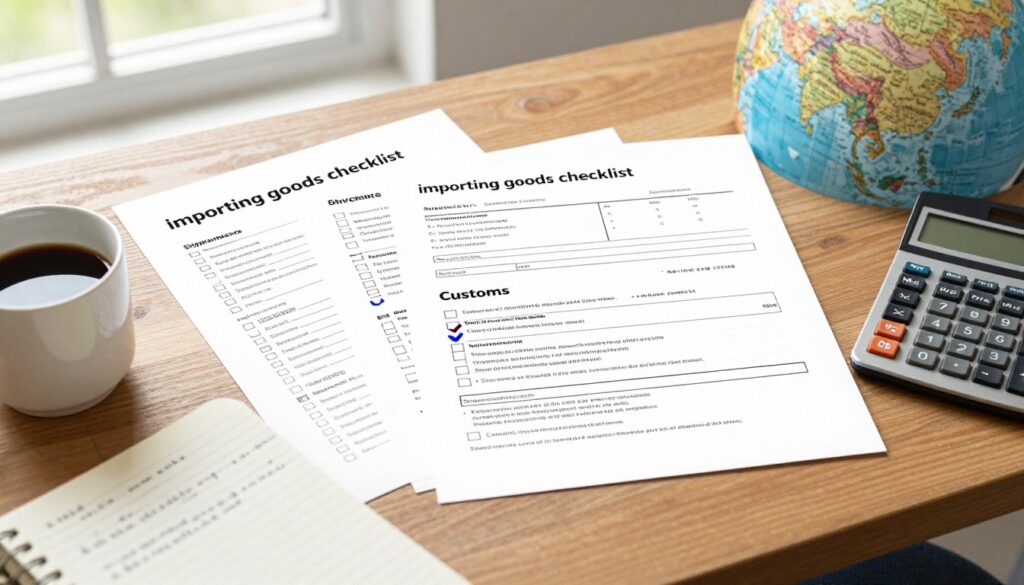
Maintain clean accounting entries so the amount of tax you pay aligns with declarations. Accurate documentation prevents overpaying fees and helps speed clearance.
- Ensure invoice, packing list, and K1 are consistent.
- Record freight and insurance to show full customs value.
- Track payments and receipts to support tax filings.
| Step | What to confirm | Why it matters |
|---|---|---|
| Documentation | K1, invoice, packing list | Faster customs clearance |
| Value calculation | Transaction + freight + insurance | Correct import duty and sales tax |
| Accounting | Matched records and receipts | Avoids disputes and overpaid fees |
Selecting Reliable Suppliers and Logistics Partners
Choosing logistics partners with regional warehouses shortens lead times for goods destined for local markets. A partner with storage in Guangzhou and Yiwu can help you consolidate shipments and lower overall shipping costs.
Evaluating Freight Forwarders and Shipping Services
Check service range: Confirm the forwarder offers LCL and full container options for sea and air freight. CIEF Worldwide Sdn.Bhd operates warehouses in Guangzhou and Yiwu and provides both service types.
Assess reputation by scanning social media and digital media for reviews and delivery records. A professional freight forwarder will manage the import process, handle customs and duty payments, and guide you through each step.
“A reliable logistics service turns complexity into consistency for businesses that depend on timely product delivery.”
Balance cost against reliability. Lower fees may save money short term, but predictable freight and correct customs handling protect margins and keep your business competitive.
- Consolidate goods to cut shipping costs.
- Verify ability to manage customs and duties.
- Use media checks to confirm service reputation.
Navigating Customs Documentation and the K1 Form
Clear, consistent paperwork is the backbone of fast customs clearance for any shipment. Good documentation helps your goods move through ports with fewer delays and lower risk of penalties.
The Role of the K1 Form
The K1 Form, issued by the Royal Malaysian Customs Department, is the primary declaration for imported goods. It comes in four copies: pink for the importer, blue for the exporter, yellow for the agent, and green for customs.
Essential Shipping Documents
Include a commercial invoice, packing list, bill of lading or airway bill, and the certificate of origin. Accurately state the value of goods and list freight and insurance to verify total value for import duty and taxes.
Managing Certificates of Origin
Certificates must match invoice details. A mismatch can trigger checks or seizure. Use professional services if needed; a reliable service saves time and reduces errors.
- Coordinate sea and air freight to meet delivery time and budget.
- Confirm transportation and insurance details are documented.
- Follow each step for correct duties and final clearance by the customs department.
Calculating Import Duties and Sales and Service Tax
Start by mapping the full landed cost so you can price goods with confidence. The customs department uses the HS code to identify the type product and set the import duty rate, which can range from 0% to 30%.
You must include freight, insurance, and transportation in the customs value when computing duties and sales. Sales and Service Tax (SST) for imported goods usually falls between 5% and 10%.
Know the difference: import duty is charged by rate tied to the HS code, while sales is applied to the total value after adding freight and insurance. Accurate totals keep costs predictable and protect margins.
Practical steps:
- Verify the correct HS code to avoid overpaying duties and fees.
- Record freight and insurance on the invoice to show full customs value.
- Use professional logistics services for help with classification and the clearance process.
Doing these calculations early makes the clearance process smoother and ensures compliance with the customs department for all imported goods.
Avoiding Common Pitfalls in International Trade
Clear valuation and correct coding protect your business from penalties. Keep descriptions factual and list freight and any insurance that affect the customs value.
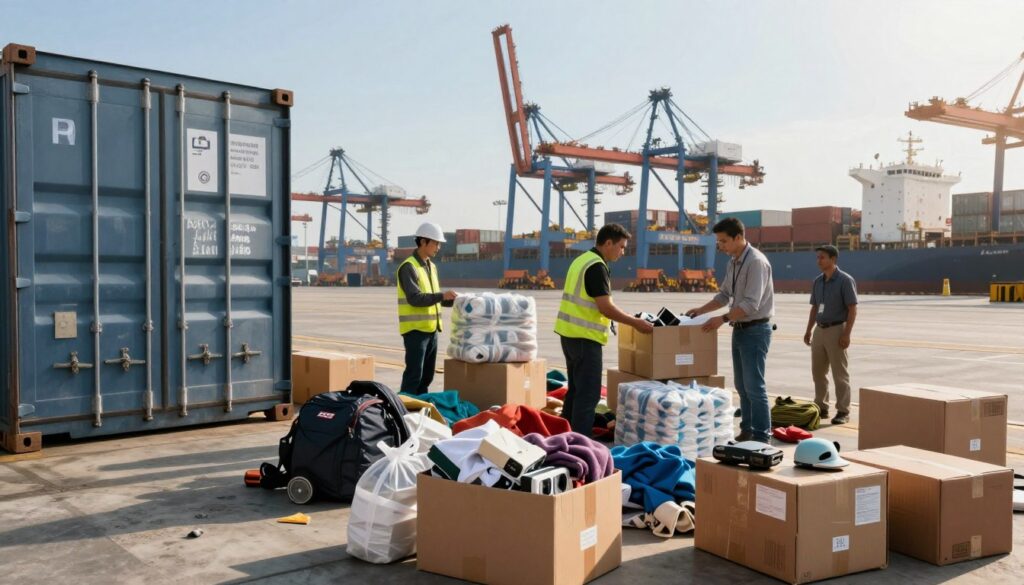
Undervaluing goods is treated as tax evasion and will trigger enforcement by malaysian customs. Always declare the full amount you paid. This prevents fines and protects your reputation.
Preventing Misclassification and Undervaluation
Use the correct HS code for each type product. Misclassification leads to wrong duties and long delays.
- Keep certificates accurate: a valid certificate of origin helps you claim preferential rates.
- Document value clearly: include freight and insurance so the declared value matches reality.
- Stay updated: follow media and official notices for changes that affect fees and the import process.
| Risk | Why it matters | Quick fix |
|---|---|---|
| Undervaluation | Legal penalties, seizure | Declare full transaction value |
| Misclassification | Wrong duty, delays | Confirm HS code with freight service |
| Wrong certificate | Loss of duty preference | Validate origin details before shipment |
Final step: adopt simple checks before shipping. A short review of value, HS code, and certificate reduces risk and keeps goods moving through customs with fewer interruptions.
Leveraging Digital Logistics Platforms for Efficiency
A modern platform links booking, tracking, and documentation so teams manage goods with less friction.
Digital logistics services help businesses reduce paperwork and speed up the import process. Platforms like FreightAmigo provide real-time tracking by connecting with over 1000 airlines and shipping lines. This visibility saves time and cuts unexpected costs.
Automated documentation features lower errors in shipping papers, which is vital for fast customs clearance. Many platforms also offer 24/7 expert support to handle questions about duties, taxes, and clearance steps.
Integrated services can include insurance and trade finance. That protects goods and improves cash flow while moving shipments by sea or air. Using these tools keeps your business competitive in a fast market.
- Real-time tracking reduces delays and provides clearer delivery time estimates.
- Automated documents cut mistakes that slow clearance and raise costs.
- Social media and media reviews help you choose reliable platforms and freight partners.
In short: a reliable digital platform manages every step — booking, freight, documentation, and final delivery — with precision, giving Malaysian businesses better control over costs and time.
Conclusion
In short, a final review of documents, classifications, and costs keeps shipments on schedule and protects margins. Small checks prevent delays, fines, and extra fees.
Follow the steps in this guide to manage duties and taxes accurately. Work with trusted logistics partners and use digital tools to simplify tracking and paperwork.
Keep records clean, confirm HS codes, and update your team on regulatory changes. These habits cut risk and help your business scale in the Malaysian market with confidence and efficiency.
FAQ
What are the first steps for a small business to import goods from China into Malaysia?
Start by registering your business with the Companies Commission of Malaysia (SSM) and obtaining a sales tax or service tax (SST) registration if required. Identify product HS codes, check applicable duties and SST rates at the Royal Malaysian Customs Department website, and request samples to confirm quality. Choose a shipping method (sea or air), get freight quotes including insurance, and prepare commercial invoices and packing lists before shipment.
How do I find the correct HS code and why does it matter?
HS codes classify goods for tariffs and import control. Use the Malaysian Customs tariff database or consult a licensed customs broker to determine the code. The right code affects duty rates, licensing requirements, and whether permits or certificates of origin are needed, so misclassification can lead to fines or delays.
What documents are essential for customs clearance?
Typical documents include the commercial invoice, packing list, bill of lading or airway bill, insurance certificate, and the K1 form when applicable. Also prepare certificates of origin, product-specific permits or licenses, and any testing or compliance certificates for electronics, cosmetics, or food items.
What is the K1 form and when is it required?
The K1 form is a customs declaration used in certain transit and bonded transactions. Importers or their appointed agents submit it for specific movement types or when goods pass through bonded facilities. Work with your forwarder or customs agent to confirm whether your shipment needs a K1 filing.
How are import duties and SST calculated on my shipment?
Duties are based on the customs value, usually the CIF value (cost + insurance + freight). Apply the relevant HS-based duty rate to that value. SST (sales tax or service tax) applies according to product type and current Malaysian rates. Duties, SST, and any handling fees combine to form the total import cost.
Are there ways to reduce duty and tax exposure legally?
Yes. Claim preferential rates under approved free trade agreements if your supplier can provide a valid certificate of origin. Use customs valuation planning, accurate product classification, and consider bonded warehousing or temporary admission for goods intended for re-export. Always follow rules to avoid penalties.
How long does customs clearance usually take for sea and air shipments?
Air freight clearance can be completed within hours to a couple of days, depending on documentation and inspections. Sea shipments generally take longer—typically 2–7 days after arrival for standard clearance. Delays happen when documentation is incomplete or goods require inspection or permits.
What common mistakes cause clearance delays or extra costs?
Frequent issues include incorrect or missing HS codes, undervalued invoices, incomplete paperwork, missing certificates of origin, and failure to obtain permits for regulated products. Poor packaging or misdeclared goods can also trigger inspections and storage charges.
How should I choose a freight forwarder or customs broker?
Look for licensed agents with proven experience on the Malaysia route, transparent pricing, and good communication. Verify their RMCD (Royal Malaysian Customs Department) credentials, ask for client references, and confirm they offer customs brokerage, insurance handling, and digital tracking.
What role do certificates of origin play and who issues them?
Certificates of origin verify where goods were produced and enable preferential tariff treatment under trade agreements. Chambers of Commerce, authorized exporters, or government agencies in the supplier’s country typically issue them. Ensure they match the shipment details and are signed before export.
What accounting practices should businesses follow for imported goods?
Record all landed costs—product price, freight, insurance, duties, SST, handling fees, and inspection charges—into inventory cost. Maintain original documents for audit, reconcile customs entries with invoices, and work with a tax advisor to ensure proper SST treatment and timely filings.
Do I need product testing or certification before shipment?
Many product categories—electronics, toys, cosmetics, food—require testing, labeling, or halal certification for the Malaysian market. Check regulatory requirements early, arrange pre-shipment testing when necessary, and secure certificates to avoid rejection at import.
Can I use digital logistics platforms to streamline the process?
Yes. Digital platforms provide shipment tracking, document management, customs filing, and cost comparison tools. They speed up communication between suppliers, forwarders, and customs brokers while reducing errors in paperwork.
What insurance should I get for international shipments?
Obtain cargo insurance that covers the chosen transit mode (marine or air) and includes protection against loss, theft, and damage. Confirm coverage limits, deductibles, and whether the policy covers warehouse handling or port storage incidents.
How do bonded warehouses help with cash flow and duties?
Bonded warehouses allow businesses to store imported goods without paying duties and SST until goods are released for local sale. This defers tax payments and helps manage cash flow, especially for seasonal or re-exported goods.
What should I do if customs raises a valuation or classification dispute?
Provide supporting documentation—contracts, supplier invoices, freight and insurance records, and product specs. Engage a licensed customs broker or legal advisor to dispute assessments and, if needed, file formal appeals with the Royal Malaysian Customs Department following prescribed timelines.
Are there specific rules for samples, low-value shipments, or gifts?
Yes. Low-value shipments and samples may qualify for reduced duties or simplified procedures, but thresholds and conditions vary. Declare their nature clearly, include accurate invoices, and consult customs guidance to confirm exemptions or simplified clearance options.
How do incoterms affect my costs and responsibilities?
Incoterms (like EXW, FOB, CIF, DDP) define which party pays for transport, insurance, and import formalities. Choose terms that match your logistics capability: CIF or DDP places more responsibility on the seller, while FOB or EXW shifts freight and import tasks to the buyer.