
Updated 18 February 2025. Navigating international trade rules can feel complex, but a clear view of landed cost helps businesses keep prices competitive.
This introduction outlines the essentials for managing imports, from customs clearance to the percentage that affects final cost. We focus on practical steps that reduce delays and surprise charges.
Understand the role of freight, insurance, excise duty, and customs duties so you can predict the total amount you will pay. Preparing accurate documents speeds processing and controls extra charges.
Our guide explains how to account for every cost element and the payment process set by the government. With better control of rates and taxes, businesses can protect margins and improve supply chain decisions.
Key Takeaways
- Track every cost — include freight, insurance, and customs charges.
- Prepare documents early to speed customs clearance.
- Know the duty rate and related taxes for your goods.
- Account for excise and sales effects on final price.
- Use this guide to keep your business compliant and competitive.
Understanding the Tax Landscape for Malaysian Imports
Knowing which taxes apply to a shipment helps you forecast total costs and avoid surprise fees.
Types of Import Taxes
Malaysia applies three primary levies on incoming goods: import duty, sales levies, and excise charges. The Ministry of Finance oversees these rules.
Import rates can range from 0% to 60% depending on the HS code assigned to the products. Since 1 January 2024, a flat 10% sales tax applies to low-value goods under RM500 to manage e-commerce flows.
Remember: freight and insurance are usually included when customs values goods. These add to your landed cost and affect the final charge.
The Role of HS Codes
The government uses the Harmonized System code to classify every product. That code directly determines the applicable tax rates and any import duties.
Accuracy matters. Customs declarations must use the correct code to avoid reassessments or fines. Excise duty targets luxury or non-essential items, so check whether your products fall under those rules.
- Tip: Verify HS codes before shipment to reduce delays and unexpected charges.
Import Duty and Sales Tax in Malaysia: How to Calculate Your Landed Cost
An accurate HS code is the cornerstone for estimating the landed cost and avoiding surprise charges. Start by confirming the code for your product, since that determines the official rate percentage applied at customs.
Calculate the CIF value first: that is the purchase price plus freight and insurance. Use the formula Import Duty = CIF Value x Import Duty Rate to get the duty amount.
Apply the SST on top of that duty. For goods above RM500, the SST is usually 5% or 10% depending on classification. Add import duty and SST together; that total is what customs requires before clearance.
Practical tips:
- Double-check the HS code to avoid reassessment and fines.
- Keep clear records of all payments and documentation for compliance.
- Factor excise duty and other charges into your final price so margins stay protected.
Navigating the Customs Duties Order Updates
A government tariff revision arriving on 1 November 2025 will reshape rates for many imported items and force businesses to adjust fast.
The Customs Duties Order 2025 introduces reclassifications that change how landed cost is calculated for common goods. SMEs should audit product codes and valuation methods immediately.
Why Tariff Changes Matter for SMEs
Even a small shift in a duty rate can move the final cost of goods enough to erode margins.
Incorrect HS code selection under the new order can trigger wrong SST calculations and audits by the Royal Malaysian Customs Department.
- Update systems: revise internal coding for machinery, electronics, and processed foods before the 2026 deadline.
- Review contracts: renegotiate supplier terms when the duty rate alters the total amount payable.
- Confirm valuation: ensure freight, insurance, and declared value match supporting documents for smooth customs clearance.
Proactive management of these duties and taxes helps businesses protect price integrity and keep landed cost predictable.
Special Trade Frameworks and Exemptions
Several targeted regimes let firms postpone charges and lower their landed cost when handling cross-border shipments.

Free Trade Agreements (FTAs) reduce or remove tariffs between Malaysia and partner countries. That lowers the landed cost for imported goods and helps exporters keep prices competitive.
Free Trade Zones
Malaysia operates FTZs at Port Klang, Penang, and Johor. Businesses can store or manufacture goods inside these zones without immediate customs duties.
This setup cuts operating costs by deferring payments until products enter the domestic market or are sold locally.
Licensed Manufacturing Warehouses
LMWs let manufacturers hold raw materials and process product before local release. Companies defer customs duties and may claim exemptions on excise and sales tax.
Benefits:
- Lower working capital needs and reduced landed cost for components.
- Faster export flows and easier supply chain optimization.
- Support for sectors such as electronics and textiles.
Tip: Confirm the correct HS code and rates for products to unlock these advantages and avoid reassessments at customs.
Impact of Tariff Reclassifications on Business Profitability
Tariff reclassifications can shift landed cost estimates quickly, forcing firms to revisit pricing and margins.
Even small code changes may raise the cost of goods and cut into profits if teams do not update cost models. When a rate for a product changes, recalculate CIF and add freight, duties and sst to find the true landed cost.
Export incentives help some firms, but qualifying requires precise internal tracking of value and tax records.
- Misclassification of a code often leads to unexpected fees and higher costs for products.
- Fast updates to pricing defend margins and keep market price competitive.
- Efficient import processes lower the total cost of doing business and limit exposure to tariff volatility.
| Scenario | Immediate Effect | Action |
|---|---|---|
| Tariff up by 5% | Higher landed cost for goods | Reprice product, review margins |
| HS code change | Possible reassessment of value | Audit classification, update records |
| New sst rule | Altered tax on import flow | Adjust accounting and pricing |
“Accurate classification and quick cost reviews protect profit and preserve competitiveness.”
Essential Steps for Compliance and Cost Management
A clear compliance plan keeps costs steady and prevents last‑minute charges during customs clearance.
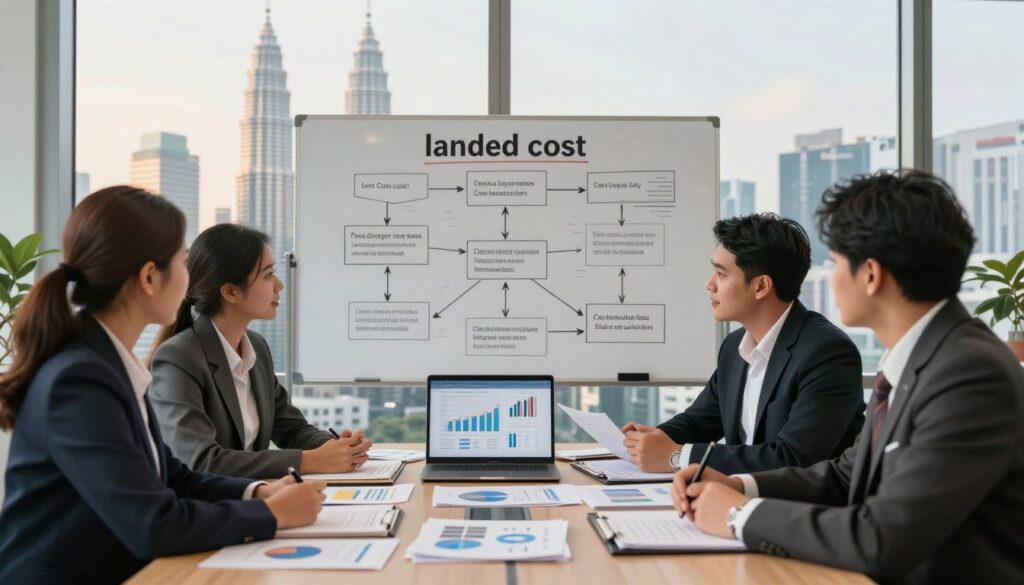
Start with a simple checklist: review paperwork, confirm the tariff code, and record every freight and insurance line. These small checks reduce errors that raise final costs.
Reviewing Documentation
Verify that all documents match the actual goods and product descriptions. Inaccurate entries often trigger reassessments and higher duties.
Perform regular audits of your customs clearance process to catch mismatches early. This is the best way to calculate import duty correctly and avoid delays.
Updating Accounting Systems
By 2026, stricter enforcement means businesses must sync systems with the latest codes. Update mappings so duties, sales tax, and sst post to the right ledgers.
Implement a control system that logs every charge and payment. This gives finance teams clear visibility of landed cost, taxes, and charges per shipment.
| Action | Owner | Impact |
|---|---|---|
| Document audit | Logistics | Fewer reassessments, lower costs |
| Code update | Finance/IT | Accurate tax posting, smoother clearance |
| Freight & insurance logging | Ops | True landed cost visibility |
“Maintain clear records for every shipment to stay compliant and protect margins.”
Conclusion
Keep control of every import step to reduce delays and protect margins. Clear records and correct codes make customs checks far easier.
Track valuation, freight, and paperwork so you can respond quickly to rate changes. Knowing customs duties and the local rules helps teams set accurate prices.
Review how duty is applied and update systems often. This lowers risk and keeps clearance smooth.
Act now: audit processes, train staff on classification, and prepare for export shifts. Proactive work gives a real competitive edge.
FAQ
What is the difference between import taxes, customs duties, and excise charges?
Customs duties are tariffs applied to goods when they cross borders based on the HS code and declared value. Excise charges apply to specific products like alcohol, tobacco, and petroleum regardless of origin. Sales taxes under SST cover certain goods and services once items enter the domestic market. Together they shape the total landed price for businesses and consumers.
How do HS codes affect the rate applied to my shipment?
The Harmonized System (HS) code classifies goods globally and determines the tariff schedule. A small change in code can move an item to a higher or lower rate bracket. Correct classification is essential to avoid costly re-assessments during customs clearance.
Which components should I include when calculating landed cost?
Landed cost typically includes the product value, international freight, insurance, handling fees, customs duties, excise where applicable, and SST. Don’t forget port charges, agent fees, and any quarantine or inspection costs — they all add up.
What documentation do customs officers require to clear goods?
You should prepare the commercial invoice, bill of lading or air waybill, packing list, import permit if required, certificate of origin for FTA claims, and customs declaration forms. Accurate documentation speeds clearance and reduces the risk of delays or penalties.
Can free trade agreements (FTAs) lower the taxes I pay?
Yes. When goods meet origin rules under an FTA such as the ASEAN Free Trade Area or agreements with key partners, preferential tariff rates may apply. You must hold a valid certificate of origin and meet product-specific criteria to claim the reduced rate.
What are free trade zones and how do they help with costs?
Free trade zones allow businesses to import, store, and process goods with suspended or reduced taxes while items remain within the zone. Companies often use these areas to defer taxes until goods enter the domestic market or to conduct re-export operations with lower costs.
How do tariff reclassifications impact profitability for small businesses?
Tariff reclassifications can change the percentage applied to a product, instantly altering margins. Small businesses must monitor customs notifications and adjust pricing, sourcing, or product mixes to avoid sudden cost shocks that erode profit.
What recent updates to the customs duties order should businesses watch?
Businesses should monitor amendments to tariff schedules, new excise measures, and additions to restricted items lists. Customs authorities publish updates periodically; subscribe to official announcements from Royal Malaysian Customs or consult a licensed customs broker for timely advice.
When are goods eligible for exemption or relief from taxes?
Exemptions occur for humanitarian supplies, certain raw materials for manufacturing, and goods under specific incentive schemes. Eligibility depends on the product, purpose, and supporting documents. Applying for advance rulings can clarify entitlement before shipment.
How can accounting systems be updated to reflect landed costs accurately?
Integrate module fields for freight, insurance, taxes, and customs fees into cost-of-goods calculations. Automate currency conversions and link purchase orders to supplier invoices. Regularly reconcile customs statements to accounting entries to maintain accurate margins.
What steps reduce the risk of customs penalties and delays?
Keep documentation precise, classify goods correctly with validated HS codes, declare full transaction values, and engage licensed customs agents when needed. Conduct periodic audits of import records to catch errors early and train staff on compliance procedures.
How do licensed manufacturing warehouses (LMWs) affect tax treatment?
LMWs allow manufacturers to import raw materials without immediate domestic taxes, provided goods are used for production and exported or released under proper controls. This improves cash flow but requires strict inventory tracking and compliance with warehouse licensing conditions.
Are there tools to estimate landed costs before placing an order?
Yes. Many freight forwarders and customs brokers offer landed-cost calculators that factor in HS codes, freight, insurance, duties, and SST. Use these tools alongside supplier quotes to model scenarios and set appropriate pricing or reorder strategies.
Who should I contact for complex valuation or classification disputes?
Engage a licensed customs broker, trade lawyer, or the Royal Malaysian Customs Department for formal rulings. For high-value or recurring disputes, request an advance valuation or classification decision to secure certainty and reduce future risks.